
Top Maintenance Tips for Families Who Drive Daily
Sep 10, 2026 · 6 min read
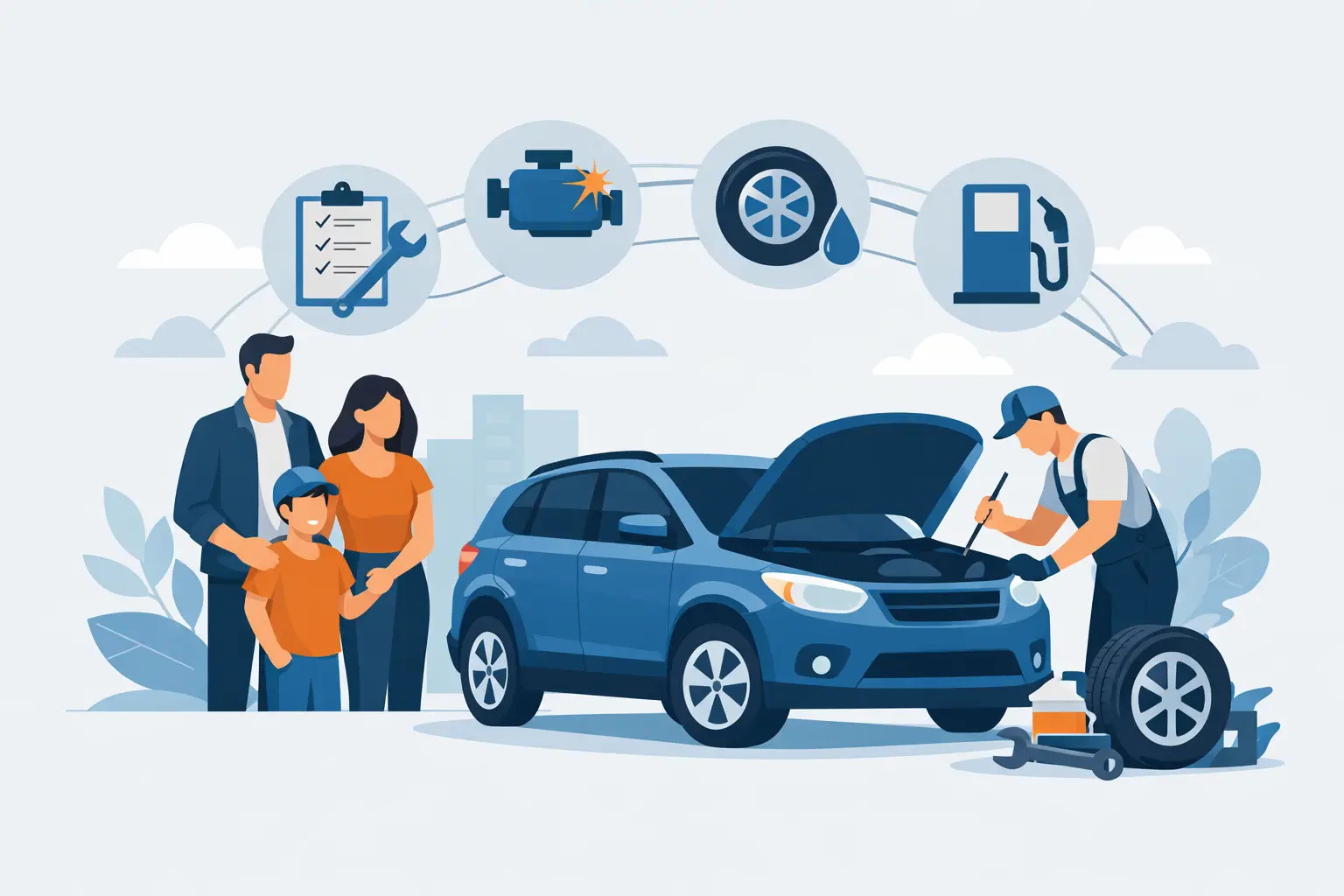
The school drop-off is running late, the grocery list is long, and a warning light appears just as the temperature drops. For busy households, the best top maintenance tips for families are not about turning parents into mechanics. They are about preventing the small vehicle issues that can disrupt work, appointments, weekend plans, and safe travel.
A family vehicle often does more demanding work than drivers realize. Short trips, stop-and-go traffic, packed cargo areas, cold starts, potholes, and changing Canadian weather all add wear. A practical maintenance routine helps protect your budget, keeps your vehicle dependable, and gives you more confidence when the people you care about are in the seats behind you.
Top Maintenance Tips for Families: Start With Safety
Safety-related maintenance deserves attention before cosmetic upgrades or convenience items. A vehicle can still start and drive while developing brake, tire, steering, or suspension problems. Catching those concerns early can make a meaningful difference in an emergency stop or on a slippery road.
Check tires before every season changes
Tires affect braking distance, handling, fuel use, and ride comfort. Look at them once a month and before a long trip. Check for low pressure, uneven wear, cracking, nails, or bulges in the sidewall. Use the tire-pressure label inside the driver's door frame as your guide, rather than relying only on the number printed on the tire itself.
Uneven tread can point to an alignment, suspension, or tire-balance issue. Ignoring it may mean replacing tires earlier than expected, and it can make the vehicle less stable in rain, slush, or snow. Families who drive through Canadian winters should also plan their seasonal tire change before the first major storm, not after the schedule at every shop is already full.
Do not wait for brake symptoms to become urgent
A squeal, grinding sound, vibration through the brake pedal, a pulling sensation, or a soft pedal should be checked promptly. Brake wear is normal, but worn pads can eventually damage rotors, and brake fluid issues can affect performance. The repair may be simpler and less expensive when it is addressed at the first sign of trouble.
There is no single mileage point when every vehicle needs brakes. Driving habits, traffic, hills, towing, and vehicle load all matter. A professional inspection gives you a clear picture of what is worn now, what can wait, and what should be planned for soon.
Pay attention to steering and suspension changes
If the vehicle wanders, bounces excessively after a bump, clunks over rough pavement, or feels less controlled in turns, do not write it off as normal aging. Suspension and steering components help keep tires in contact with the road. They also affect alignment and braking stability.
Canada's potholes and freeze-thaw cycles can be particularly hard on these systems. An inspection after a significant impact with a pothole is a sensible precaution, especially if the steering wheel is no longer centred or the vehicle begins pulling to one side.
Build a Maintenance Calendar Around Your Family Schedule
The most useful routine is one you can actually keep. Instead of trying to remember every service interval, add reminders to a shared calendar or phone app. Include oil changes, tire swaps, annual inspections, registration dates, and follow-up appointments for recommended repairs.
Your owner's manual remains the best source for the manufacturer's service schedule. It will identify the recommended intervals for engine oil, filters, spark plugs, coolant, transmission service, and other vehicle-specific items. For families who mainly make short trips, drive in heavy traffic, carry heavier loads, or face severe winter conditions, the severe-service schedule may be more appropriate than the standard one.
Keep service invoices in one folder, whether digital or paper. A clear record helps you avoid duplicate work, makes it easier to budget for upcoming maintenance, and can support the resale value of your vehicle. It also gives a repair shop useful information when diagnosing a recurring concern.
Protect the Engine With Basic Fluid and Filter Care
Engine oil is one of the simplest and most valuable services you can stay on top of. It lubricates moving parts, helps manage heat, and carries away contaminants. Delaying oil changes can lead to sludge buildup and expensive engine damage, especially when a vehicle sees frequent short trips that do not allow the engine to fully warm up.
Check the oil level periodically between services, particularly before road trips. If the level drops noticeably or you see oil spots where the vehicle is parked, arrange an inspection. Topping up oil may be necessary, but it does not explain why the level is low.
Other fluids deserve professional attention as well. Coolant helps prevent overheating and freezing, brake fluid supports brake operation, windshield washer fluid maintains visibility, and transmission fluid protects a complex and costly component. Modern vehicles do not always make these checks easy for drivers, so asking for a quick fluid review during routine service is a practical choice.
Cabin and engine air filters are easy to overlook. A clogged cabin filter can reduce airflow and contribute to foggy windows, while an overdue engine air filter may affect performance and efficiency. Their replacement timing depends on local driving conditions, so a visual inspection is often more useful than guessing.
Prepare for Breakdowns Before They Happen
Even well-maintained vehicles can have an unexpected flat tire, battery failure, or mechanical issue. A basic emergency kit keeps a stressful roadside moment from becoming more difficult, especially when children are along for the ride.
Keep these items accessible, not buried under sports equipment or shopping bags:
- A properly inflated spare tire or the tire-repair equipment supplied with your vehicle
- Booster cables or a portable battery booster, plus gloves and a flashlight
- A first-aid kit, warm blankets, bottled water, and non-perishable snacks
- A reflective vest, warning triangles, and a phone charging cable
Check the spare tire and emergency equipment twice a year. Many drivers discover too late that their spare is flat, a flashlight battery has failed, or a jack is missing. If your vehicle has no spare tire, understand the limits of its repair kit and know whether it can handle a sidewall puncture. Often, it cannot.
Give the Battery Extra Attention in Canadian Winter
Cold weather reduces battery performance, while winter driving adds demand from heaters, defrosters, lights, and heated seats. A battery that seems acceptable in mild weather can fail quickly during a cold snap.
Have the battery tested before winter if it is several years old or if the engine has been cranking slowly. Corrosion around battery terminals, dimming lights, or intermittent electrical behaviour are also reasons to have it checked. Replacing a weak battery on your schedule is usually easier than arranging assistance in a parking lot after work.
Treat Dashboard Lights as Early Warnings
A dashboard light is not always an emergency, but it should never be ignored. A red warning light generally requires immediate attention. Stop safely and consult the owner's manual if you see an oil-pressure warning, overheating warning, or brake-system warning.
A steady check-engine light may indicate an issue that can be diagnosed soon, while a flashing check-engine light can signal a more urgent engine misfire that may damage the catalytic converter. The right response depends on the light, how the vehicle is running, and whether there are unusual sounds, smells, or loss of power. When in doubt, have a qualified mechanic explain the issue clearly before it becomes a larger repair.
Choose Honest Advice Over Guesswork
Family budgets need clear priorities. Not every recommendation has the same urgency, and a trustworthy repair shop should separate safety-critical repairs from maintenance that can be planned for later. Ask what the issue affects, what could happen if you wait, and whether there are options that fit your budget without compromising safety.
At Niks Auto Repair, experienced mechanics can inspect concerns, explain the findings in straightforward terms, and help you make an informed decision. Whether the vehicle needs routine maintenance, brake work, diagnostics, or help after a breakdown, clear communication matters as much as dependable workmanship.
A few scheduled checks each year can save a family from a missed school day, a cancelled trip, or an avoidable roadside stop. Put the next maintenance reminder in your calendar now, then enjoy the peace of mind that comes from knowing your vehicle is ready for the next place your family needs to be.