
Car AC Repairs That Keep You Comfortable
Oct 10, 2026 · 5 min read
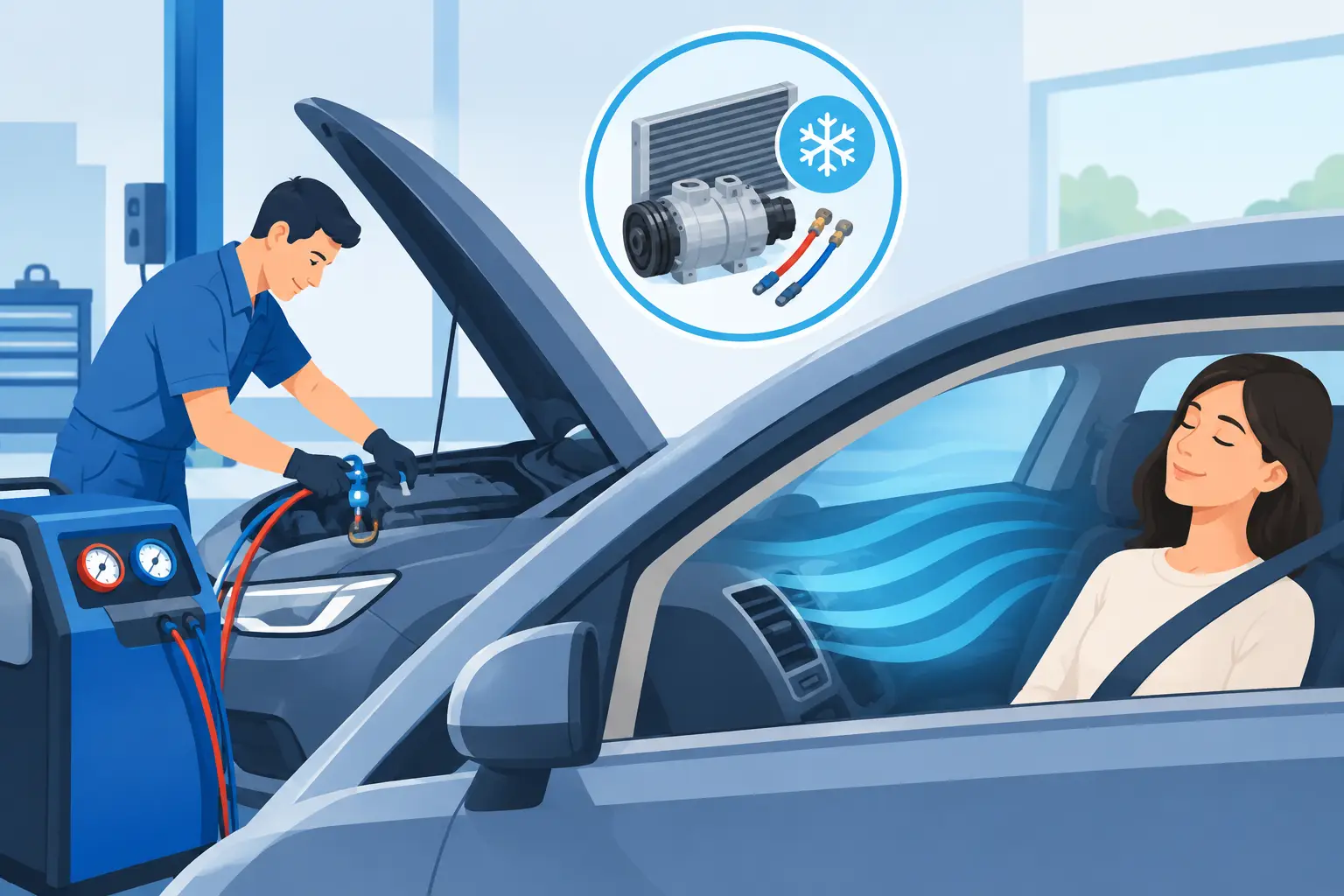
A car air conditioner rarely stops working at a convenient time. It is usually during a humid commute, a family trip, or a long day when you need clear windows and a comfortable cabin. Timely car AC repairs help restore more than cold air - they can improve visibility, reduce strain on your vehicle, and prevent a small issue from turning into a larger repair.
At Niks Auto Repair, we believe drivers deserve clear answers about what is wrong, what needs attention now, and what can wait. Air conditioning systems can be complex, but the decision to have yours checked does not need to be confusing.
When car AC repairs should not wait
If your air conditioner is blowing warm air, the problem may be as simple as low refrigerant. It may also point to a leak, a failing compressor, an electrical fault, or a restriction elsewhere in the system. Adding refrigerant without finding the reason it became low can provide only temporary relief.
Weak airflow is another common warning sign. When air barely reaches the vents, a clogged cabin air filter may be involved. In other cases, the blower motor, resistor, vents, or climate-control settings may need attention. Weak airflow makes it harder to cool the cabin and can reduce the effectiveness of the defroster when temperatures drop.
Pay attention to unusual smells, rattling noises, or moisture inside the vehicle. A musty odour can develop when moisture and debris build up around the evaporator or cabin filter. Clicking, squealing, or grinding sounds when the AC turns on can indicate trouble with the compressor clutch, belt, or other moving components. Water on the passenger-side floor may mean a blocked evaporator drain.
These symptoms do not always mean the same repair. That is why a proper inspection matters. A professional diagnosis helps avoid replacing parts based on guesswork and gives you a fairer picture of the work required.
What causes an automotive AC system to fail?
Your vehicle’s AC system relies on several parts working together under pressure. Refrigerant carries heat away from the cabin, while the compressor circulates it through components including the condenser, evaporator, expansion device, hoses, seals, and receiver or accumulator. A failure in one area can affect the entire system.
Leaks are among the most frequent causes of poor cooling. Rubber seals and hoses age, road debris can damage a condenser, and corrosion can affect fittings or lines. In Canada, winter road salt and changing temperatures can be especially hard on under-hood components over time. Refrigerant does not normally get “used up,” so a system that needs repeated refills should be checked for a leak.
The compressor is another key concern. It is often the most expensive component in an AC repair because it does the heavy work of compressing and circulating refrigerant. A compressor can fail from age, internal wear, contamination, low refrigerant, or an electrical problem. Replacing it may require additional work to protect the new part, such as cleaning the system and replacing related components when necessary.
Electrical issues can be less obvious but just as disruptive. A blown fuse, faulty relay, damaged wiring, pressure switch, temperature sensor, or control module can prevent the AC from engaging. Modern vehicles use integrated electronic systems, so accurate testing is essential before any repair recommendation is made.
Why a recharge is not always the answer
An AC recharge can be appropriate when testing confirms that refrigerant is low and the source of the loss has been addressed. It is not a universal fix for warm air. Refrigerant must be handled correctly, and overcharging or using the wrong type can damage the system or reduce performance.
A dependable AC service starts with diagnosis. A technician may inspect visible lines and fittings, test pressures, check compressor operation, assess airflow, inspect the cabin filter, and look for leaks using approved methods. The exact process depends on the vehicle and its symptoms.
This approach can save money in the long run. For example, replacing a cabin filter is very different from repairing a refrigerant leak, and both are very different from replacing a failing compressor. Clear testing allows the repair to match the actual problem rather than the first symptom.
Car AC repairs also support safe driving
Air conditioning is often seen as a comfort feature, but it has a practical safety role. Your vehicle’s defrost system uses airflow and moisture removal to clear fog from the windshield. When the AC system is not working properly, windows may take longer to clear in wet, cold, or changing weather.
A properly operating climate-control system also helps drivers stay alert during hot weather. Cabin heat can make longer trips more tiring, especially for commuters, parents travelling with children, delivery drivers, and people operating work vehicles. Keeping the cabin manageable is not a luxury when your vehicle is part of your daily routine.
There is also a cost consideration. Ignoring a minor noise, leak, or cooling problem can allow contamination or moisture into the system. What begins as a smaller repair may become more involved if critical components are damaged. Early diagnosis does not guarantee a low-cost repair, but it gives you more options before the issue worsens.
How to protect your vehicle’s air conditioning system
You do not need to be a mechanic to help your AC system last longer. Run the air conditioner regularly, including during cooler months, for a few minutes at a time. This helps circulate lubricant through seals and moving components. Using the defrost setting periodically can also help keep the system active.
Replace the cabin air filter according to your vehicle’s maintenance needs, especially if you notice reduced airflow, dust from the vents, or persistent odours. Park in the shade when practical, and use a windshield shade during extreme heat to reduce the initial cooling load on the system.
If you notice a change in performance, book an inspection rather than relying on a do-it-yourself refrigerant product. These products may not address the actual fault and can complicate professional diagnosis if the wrong material enters the system. A qualified mechanic can explain the condition of your system, the repair options, and the expected cost before work begins.
What to expect from a professional AC inspection
A good repair visit should leave you with more than colder air. You should understand the concern, the test results, and the recommended next step. In some cases, the solution is straightforward, such as a filter replacement or minor electrical repair. In others, a leak test or further diagnosis may be needed before an accurate estimate is possible.
Ask whether the shop found a leak, whether any related parts should be replaced at the same time, and whether the repair includes proper evacuation and recharging of the system. If a major component is required, ask why it failed and what steps will help protect the replacement part. Honest answers make it easier to decide with confidence.
Do not wait for the first heat wave or a fogged windshield to find out your AC is struggling. If the air is warm, airflow is weak, or something sounds or smells wrong, a prompt inspection can help you stay comfortable, see clearly, and keep your vehicle ready for the road.