Is a Pre Purchase Inspection Worth It?
May 11, 2026 · 7 min read
You find a used car that looks clean, drives well, and seems priced right. The seller says it has been well maintained. At that point, many buyers ask the same question: is a pre purchase inspection worth it if the vehicle already seems fine?
In most cases, yes. A pre-purchase inspection is one of the simplest ways to protect yourself from buying someone else’s problem. It gives you a clearer picture of the vehicle’s condition before you commit your money, and that matters whether you are buying from a private seller, a used car lot, or even someone you know.
A used vehicle can look good on the outside and still have expensive issues underneath. Worn brakes, hidden leaks, suspension wear, uneven tire wear, battery problems, and past accident repairs are not always obvious during a quick test drive. An inspection helps uncover those issues early, when you still have the option to negotiate, walk away, or plan for upcoming repairs.
Is a pre purchase inspection worth it for every used car?
Not every used car purchase carries the same level of risk, but almost every buyer benefits from independent advice. If the vehicle is older, has high kilometres, has changed hands several times, or does not come with clear service records, an inspection becomes even more valuable. The more unknowns there are, the more useful that inspection is.
Even newer vehicles can have problems. A car may still be relatively recent and have hidden accident damage, poor previous repairs, or signs of neglect. Some issues do not show up in photos or casual conversations. A professional inspection brings in trained eyes and practical experience instead of guesswork.
That said, there are situations where the answer is more balanced. If you are buying a low-value vehicle as-is and already expect to put money into it, you may decide the inspection cost is not worth it. If the car is only meant to last a short time and the price reflects that risk, your tolerance may be different. The key is being honest about what you are buying and how much uncertainty you can afford.
What a pre-purchase inspection actually helps you avoid
Most people think of inspections as a way to catch major engine or transmission failure. That can happen, but the more common value is in identifying a series of smaller issues that add up quickly.
A vehicle might need brakes soon, have suspension components starting to fail, show fluid leaks, or have tires that will need replacing earlier than expected. None of those problems alone may seem serious enough to cancel a deal. Together, though, they can turn a bargain into a stressful purchase.
An inspection also helps with safety. If a vehicle has steering problems, poor brake condition, damaged tires, or structural concerns, that is not just a budgeting issue. It is a risk to you, your passengers, and anyone else on the road. For families, commuters, and business owners who depend on a vehicle daily, reliability and safety are worth taking seriously before the sale, not after.
There is also the matter of confidence. Buying a used car often comes with pressure. Sellers may say other people are interested, or that the price is only good for today. An inspection slows the process down just enough to make a sound decision. That alone can save people from expensive, rushed choices.
When the inspection cost pays for itself
A pre-purchase inspection usually costs far less than even one meaningful repair. If it reveals worn brakes, hidden leaks, a weak battery, or suspension work that is due soon, you suddenly have real information to work with. That information can help you negotiate a lower price or ask the seller to repair certain items before the sale.
In some cases, the inspection saves you by confirming the vehicle is not worth buying at all. That may feel disappointing in the moment, especially if you liked the car, but walking away from a bad purchase is often the best result an inspection can give you.
The cost also pays off when the report comes back relatively clean. You are not just paying to find problems. You are paying for peace of mind. Knowing the vehicle has been checked by an experienced mechanic can make the purchase feel much more secure.
Is a pre purchase inspection worth it at a dealership?
Many buyers assume dealership vehicles do not need independent inspections because they have already been checked. Sometimes that confidence is justified, and sometimes it is not.
A dealership may perform its own review before putting a used vehicle up for sale, but that does not automatically mean every issue has been caught, repaired, or fully explained. Standards can vary. Some vehicles are prepared thoroughly. Others are cleaned up, made roadworthy, and sold with limited detail about what may need attention next.
An independent inspection gives you a second opinion. That matters because the seller’s goals and the buyer’s goals are not always the same. You want to know what the vehicle needs, what it may need soon, and whether the price makes sense based on its actual condition.
This does not mean dealerships are untrustworthy by default. It simply means a major purchase deserves independent verification.
What a mechanic is looking for
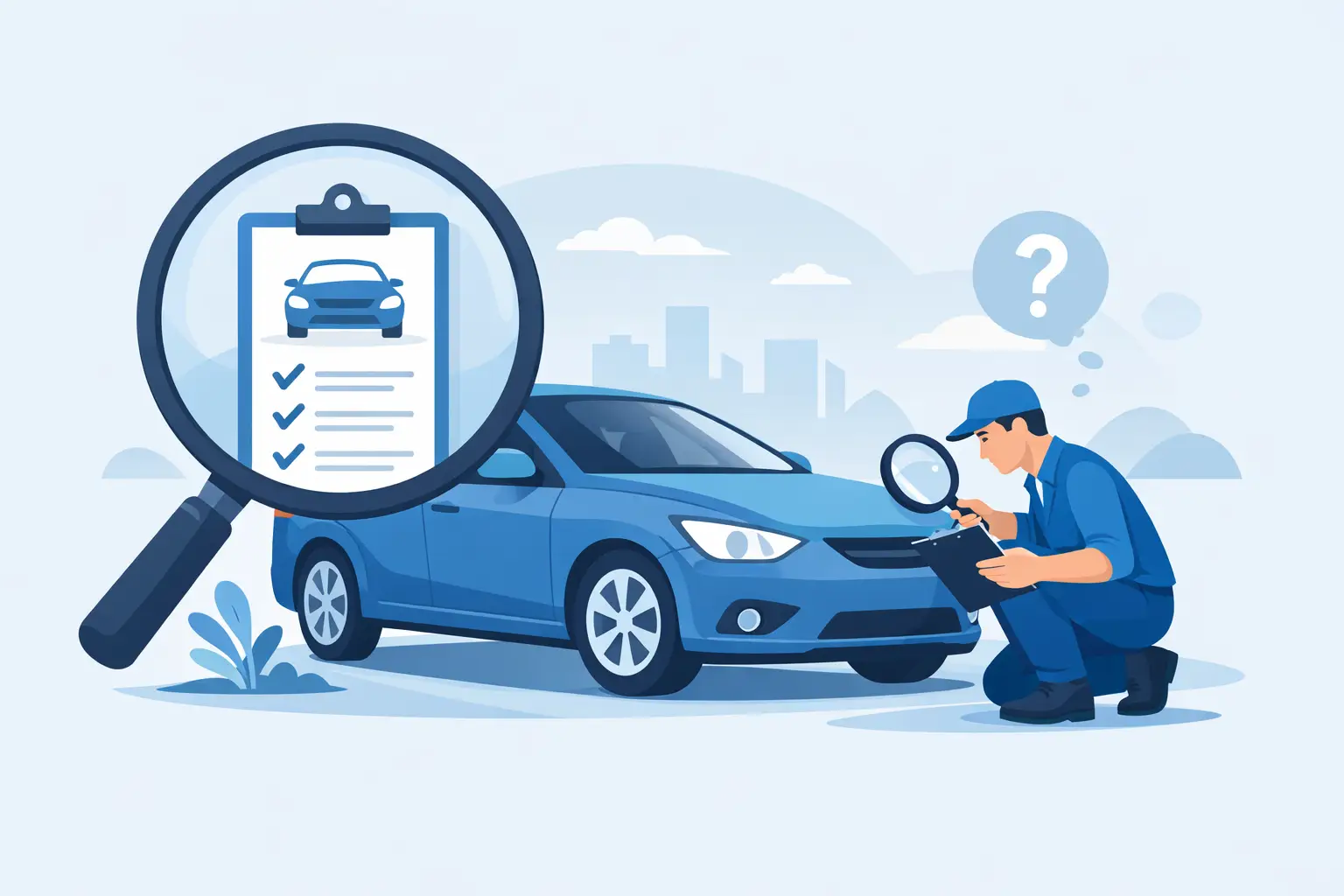
A proper pre-purchase inspection is not just a quick glance under the hood. A mechanic is assessing the overall condition of the vehicle and looking for signs of present problems, past damage, and future repair needs.
That includes the brakes, tires, suspension, steering, fluids, battery, belts, hoses, visible leaks, and signs of engine or transmission concerns. It can also include checking for uneven wear patterns, warning lights, poor repair work, rust concerns, and evidence of collision damage. In Canada, rust and corrosion matter more than many buyers expect, especially on older vehicles that have seen several winters.
The best inspections are practical and honest. They should not be about scaring you into saying no. They should tell you what is in good shape, what needs attention now, and what may need budgeting for later.
When buyers skip the inspection and regret it
It usually happens for one of three reasons. The buyer trusts the seller, feels rushed, or wants to save a little money upfront.
Trusting the seller is understandable, especially if they seem straightforward or have service records. But even honest sellers may not know everything that is wrong with a vehicle. Some problems develop gradually, and some only become obvious when a trained technician puts the car through a proper inspection.
Feeling rushed is common in a competitive used market. A vehicle seems like a great deal, and nobody wants to lose it. But buying quickly without checking it properly can turn a short-term win into a long-term cost.
Trying to save the inspection fee is often the most expensive shortcut. If the vehicle later needs brakes, tires, suspension work, or engine diagnostics, that skipped inspection can end up looking very costly.
How to decide if it is worth it for your situation
Ask yourself a few practical questions. If this vehicle needs immediate repairs, can you afford them? If the car has hidden problems, will the price still make sense? If you are relying on this vehicle for commuting, family transportation, or work, how much risk are you comfortable taking?
If your budget is tight, that is exactly when an inspection matters most. A surprise repair bill hits harder when there is no room for it. Spending a smaller amount before purchase can help prevent a much larger expense after purchase.
It also helps to look at the seller’s response. If a seller is open to an inspection, that is usually a good sign. If they resist, dismiss the idea, or try to pressure you out of it, that should raise concern.
For buyers in Canada dealing with seasonal weather, road salt, and long commutes, vehicle condition is not a small detail. Dependability matters. A car that starts well, stops properly, and handles safely in changing conditions is worth checking carefully before money changes hands.
The real value is clarity
So, is a pre purchase inspection worth it? For most used car buyers, absolutely. It can save money, strengthen your negotiating position, help you avoid unsafe vehicles, and give you confidence in a purchase that may affect your daily life for years.
At Niks Auto Repair, this is exactly why many buyers choose to have a vehicle checked before making a final decision. Honest answers before the sale are better than expensive surprises after it.
If you are serious about a used car, the smartest move is usually not to hope for the best. It is to get clear information, make a confident choice, and buy with your eyes open.