Engine Repair Versus Engine Replacement
May 17, 2026 · 7 min read
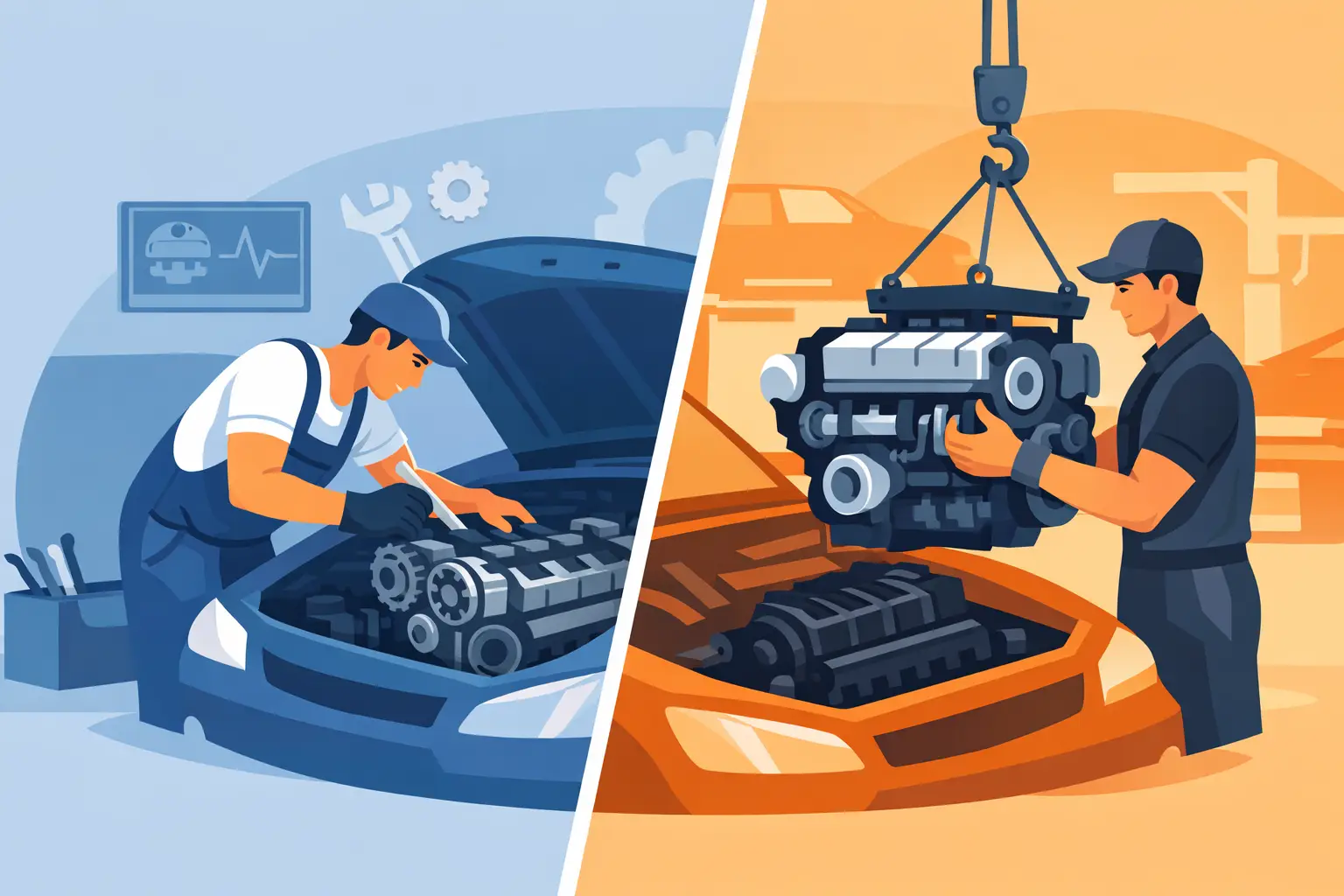
When your mechanic says the engine has a serious problem, the next question usually comes fast - should you fix it, or replace it? That is exactly what engine repair versus engine replacement comes down to: choosing the option that gives you the best value, safety, and reliability without paying for work your vehicle does not need.
For many drivers, this decision is not just about the engine. It is about whether the car can still get you to work, pick up the kids, handle winter driving, or keep your business moving. A good shop should explain the condition of the engine clearly, walk you through the costs honestly, and help you make a practical choice based on your vehicle, not pressure.
How engine repair versus engine replacement is usually decided
The right answer depends on the type of damage, the age of the vehicle, its overall condition, and how long you plan to keep it. In some cases, an engine repair can solve the issue at a reasonable cost and give you plenty of dependable driving time. In other cases, replacement is the more sensible choice because the existing engine has multiple internal problems or the repair bill is getting too close to the cost of a complete engine swap.
Minor to moderate engine problems often point toward repair. That might include replacing gaskets, fixing timing-related issues, repairing a cooling system problem that has not yet caused severe internal damage, or addressing a misfire caused by a specific failed component. If the rest of the engine is healthy, repair is usually the smarter and more cost-effective route.
Replacement becomes more likely when the engine has suffered widespread internal wear or catastrophic failure. A thrown rod, severe bearing damage, heavy oil consumption combined with low compression, or overheating that has warped major components can push the decision toward replacing the engine instead of rebuilding one failing area at a time.
When engine repair makes more sense
Engine repair is often the better choice when the problem is isolated and the rest of the vehicle is still in good shape. If diagnostics show that the issue is limited to one system or one section of the engine, a focused repair can restore performance without the cost of a full replacement.
This matters because not every serious-sounding engine issue means the engine is finished. Oil leaks can look dramatic. Cooling problems can cause rough running. Sensor faults can trigger warning lights and poor performance. Even a rough idle or loss of power can come from components around the engine, not complete internal failure.
Repair is also attractive when your vehicle has moderate mileage, has been maintained properly, and has no major transmission, suspension, or body problems waiting around the corner. In that situation, putting money into a well-targeted engine repair can be a reasonable investment.
There is also a timing factor. Repairs are usually less expensive when the problem is caught early. A coolant leak fixed quickly is one thing. Driving too long with that same leak until the engine overheats badly is another. The sooner the problem is diagnosed, the more options you usually have.
When engine replacement is the better long-term move
Sometimes repair is possible, but it is not sensible. That is where replacement starts to make more sense.
If the engine has high mileage and multiple symptoms, such as knocking, low oil pressure, poor compression, metal contamination in the oil, and repeated overheating, repairing one item may not solve the larger problem. You can end up spending money in stages while the engine continues to fail somewhere else.
Replacement can also be the better option if labour costs for teardown and internal repairs are already significant. Once an engine has to come apart extensively, the difference in price between major repair and replacement may be smaller than many drivers expect. At that point, replacing the engine can give you a more dependable result.
For people who need their vehicle every day, reliability matters as much as price. A replacement engine may cost more upfront, but it can reduce the risk of repeat visits, ongoing performance issues, and more downtime. That is especially important for commuters, families with one main vehicle, and small business owners who cannot afford repeated breakdowns.
Cost matters, but it should not be the only factor
Most people start with the repair bill, and that is fair. Budget matters. But the cheapest estimate is not always the least expensive decision over the next year or two.
A lower-cost repair only makes sense if it gives you a solid, dependable outcome. If the engine is already badly worn and the repair only buys a short amount of time, you may be paying twice - once for the repair, and again for replacement later.
On the other hand, replacement is not automatically the right call just because it sounds more complete. If the issue can be repaired properly and the engine still has good life left in it, replacing the whole unit may be more than you need.
That is why honest diagnostics matter so much. You need to know what failed, what condition the rest of the engine is in, what other risks are present, and whether the quote reflects a real solution or just a temporary patch.
Vehicle age and overall condition should guide the decision
One of the biggest mistakes drivers make is focusing only on the engine while ignoring the rest of the vehicle. If your car needs major engine work but also has transmission issues, serious rust, electrical problems, or significant suspension repairs coming soon, replacement may not be worth it at all.
By contrast, if the vehicle is structurally solid, has been maintained well, and still fits your needs, then investing in the engine can make good financial sense. Replacing an engine in a vehicle that is otherwise dependable is often cheaper than taking on the cost of buying another vehicle, especially in a market where used vehicle prices can still be high.
This is where clear advice matters. The right shop will look at the full picture, not just the engine bay. That includes mileage, maintenance history, current market value, and how you use the vehicle day to day.
How mileage affects engine repair versus engine replacement
Mileage does not decide everything, but it tells part of the story. A lower-kilometre engine with one defined issue is usually a better candidate for repair. A very high-kilometre engine with several signs of wear may be a better candidate for replacement, or it may lead to a larger conversation about whether the vehicle itself is worth keeping.
Still, mileage should never be judged in isolation. A well-maintained engine with higher kilometres can be in better condition than a neglected engine with fewer. Oil change history, cooling system maintenance, previous overheating, and the quality of past repairs all matter.
Canadian driving conditions add another layer. Cold starts, long commutes, stop-and-go traffic, and harsh winter conditions can all put extra strain on an engine over time. That is another reason proper inspection is more valuable than guessing based on kilometres alone.
The value of a proper diagnosis
Before anyone chooses repair or replacement, the vehicle needs a proper inspection and diagnosis. That should include more than reading a fault code.
A real assessment may involve compression testing, leak-down testing, checking oil condition, inspecting for coolant contamination, listening for internal noise, and evaluating whether the problem is limited or widespread. Without that level of detail, any recommendation is just a rough opinion.
This is also the point where transparency matters most. Drivers deserve plain language. You should know what is damaged, what is urgent, what can wait, and what result to expect from each option. A professional shop will not make the decision for you, but it should make the choice easier to understand.
At Niks Auto Repair, that kind of clear explanation is part of what many vehicle owners are looking for - honest answers, competitive pricing, and repairs that make sense for real life.
Questions worth asking before you approve either option
If you are deciding between repair and replacement, ask how extensive the current damage is, whether other internal engine issues are likely, and how long the recommended option is expected to last. Ask what parts and labour are included, whether there is any warranty coverage, and whether the quoted work addresses the root cause or only the symptom.
You should also ask how the repair compares to the current value of the vehicle and whether any other major systems are likely to need attention soon. These questions help protect you from spending based on stress instead of facts.
The best choice is the one that fits your vehicle and your life
There is no honest one-size-fits-all answer to engine repair versus engine replacement. Some vehicles need a focused repair and can deliver years of reliable service afterward. Others are at the point where replacement is the more practical move, even if the upfront cost is higher.
What matters most is getting a recommendation based on the actual condition of your engine, the overall health of the vehicle, and your budget and driving needs. Good advice should leave you feeling informed, not rushed.
If your engine is showing serious signs of trouble, the smartest next step is not to assume the worst. It is to get a proper diagnosis from a shop that will explain the problem clearly and help you choose the option that makes sense for the road ahead.