
Check Engine Light Meaning and What to Do
Sep 6, 2026 · 5 min read
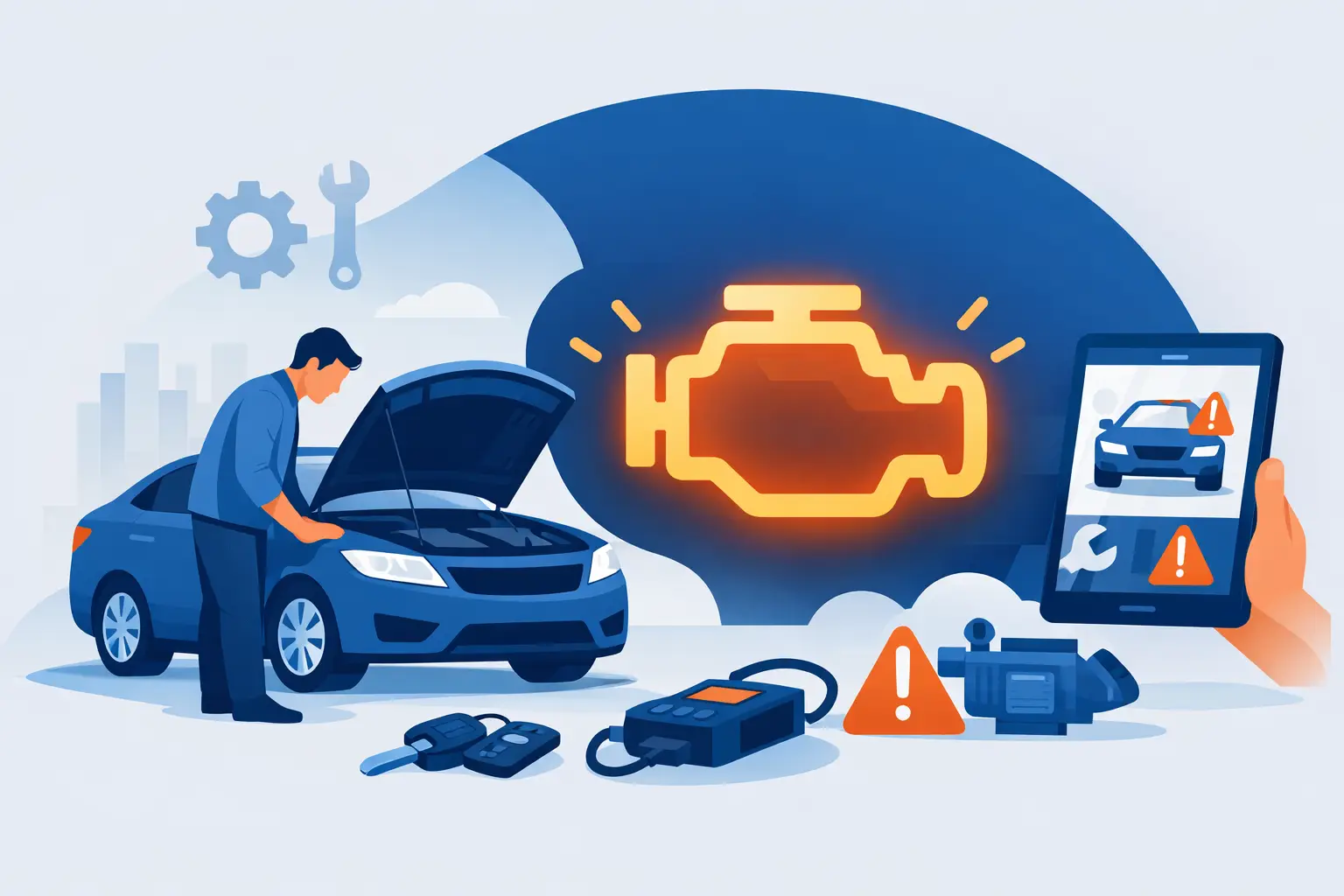
A check engine light rarely arrives at a convenient time. It can appear on the way to work, during a family trip, or just after you filled up the tank. The check engine light meaning is not always “your engine is failing,” but it is your vehicle’s way of telling you that its computer has detected a problem that needs attention.
The right response depends on how the light behaves and how the vehicle feels. A steady light may allow you to drive carefully to a repair shop. A flashing light, rough running engine, loss of power, or burning smell calls for more caution. Getting a clear diagnosis early is often the most affordable way to protect your vehicle and avoid an unexpected breakdown.
What Does the Check Engine Light Mean?
Your vehicle uses sensors and onboard computers to monitor the engine, fuel system, ignition, exhaust emissions, and other operating systems. When a reading falls outside the expected range, the computer stores a trouble code and turns on the check engine light.
That code points a technician in the right direction, but it does not automatically identify the failed part. For example, a code related to an oxygen sensor may be caused by the sensor itself, damaged wiring, an exhaust leak, or an engine issue affecting the air-fuel mixture. Replacing parts based only on a code can become expensive quickly. Proper diagnostics are what separate a useful answer from a guess.
In Canada, the light may also relate to emissions equipment. Even when a vehicle seems to drive normally, an emissions-related fault can affect fuel economy, increase pollution, and eventually lead to more serious repair needs.
Steady vs. Flashing Check Engine Light Meaning
The most useful first clue is whether the light is steady or flashing.
A steady check engine light
A steady light usually means the vehicle has recorded a fault that should be inspected soon. Common causes include a loose fuel cap, a small evaporative emissions leak, a failing sensor, an ignition issue beginning to develop, or a fuel and air mixture problem.
If the vehicle is running smoothly, there are no warning signs such as overheating or smoke, and the light is steady, it is generally reasonable to drive cautiously for a short time. Avoid towing, hard acceleration, long highway trips, and putting off an inspection for weeks. A small concern can become a larger repair when it is ignored.
A flashing check engine light
A flashing light is more urgent. It often indicates an active engine misfire, where one or more cylinders are not burning fuel properly. Unburned fuel can enter the exhaust system and overheat the catalytic converter, a costly component to replace.
If the check engine light is flashing, reduce speed, avoid heavy throttle, and pull over safely if the vehicle is shaking, lacking power, or running rough. Arrange for professional help rather than continuing a long drive. If other warning lights appear, especially an oil pressure or temperature warning, stop driving as soon as it is safe to do so.
Common Reasons the Light Comes On
Sometimes the fix is simple. A loose, damaged, or missing fuel cap can trigger an evaporative emissions code after refuelling. Check that the cap is installed correctly and tightened until it clicks. If the cap seal is cracked or the cap will not tighten, it may need replacement. The light may not turn off immediately, as the vehicle needs to complete its own monitoring checks.
Other causes require testing. Worn spark plugs or ignition coils can cause misfires. A weak battery, damaged wiring, or poor electrical connection can create sensor-related faults. Problems with mass airflow sensors, oxygen sensors, fuel injectors, vacuum lines, exhaust components, or the catalytic converter can also turn the light on.
Cold Canadian weather can make some issues more noticeable. A weak battery, moisture in electrical connections, and longer warm-up periods can expose problems that seemed minor in warmer conditions. That does not mean the light should be dismissed as a seasonal inconvenience. It still needs a proper assessment.
What to Do When the Light Appears
Start by paying attention to what changed. Did the light come on right after filling up? Is the engine idling roughly? Has fuel consumption increased? Are you hearing a ticking, rattling, or hissing sound? These details help a technician diagnose the concern efficiently.
Check the fuel cap if you have recently refuelled, then look at the dashboard for other warnings. A check engine light on its own is different from a check engine light combined with overheating, low oil pressure, brake warnings, smoke, or a major loss of power. In those situations, continuing to drive can cause avoidable damage or create a safety risk.
Do not try to solve the issue by disconnecting the battery or clearing the light without repairs. This can erase useful diagnostic information and does not fix the underlying fault. It may also cause the light to return at the worst possible time.
A professional diagnostic inspection reads the stored codes, reviews live data from the vehicle, and tests the systems related to the fault. This approach helps identify whether the problem is minor, urgent, or simply needs monitoring. It also gives you a clear explanation of the recommended repair before work begins.
Can You Keep Driving With the Light On?
It depends on the symptoms. A steady check engine light with normal vehicle performance may allow for limited driving until you can arrange service. Still, “safe to drive today” does not mean “safe to ignore.” A fault that affects fuel delivery, ignition, or emissions can gradually damage other parts and increase your fuel costs.
Do not continue driving if the light flashes, the engine shakes, the vehicle stalls, power drops sharply, or you notice overheating, smoke, strong fuel smells, or unusual noises. Pull over somewhere safe and seek assistance. The cost of a tow is often far less than the cost of replacing an engine or catalytic converter after severe damage.
For business owners and fleet drivers, quick diagnostics are especially valuable. A vehicle that remains on the road with an unresolved fault can lead to missed appointments, delivery delays, higher operating costs, and an inconvenient breakdown for a driver or customer.
Why Accurate Diagnostics Save Money
The check engine light is a warning system, not a repair estimate. One trouble code can have several possible causes, and several codes can sometimes stem from one underlying issue. This is why a trustworthy repair process starts with testing rather than selling a list of parts.
At Niks Auto Repair, the goal is to explain what the vehicle is reporting, what testing confirms, and what repair is actually needed. You should know whether a repair is urgent, what may happen if you wait, and what the expected cost involves. Honest advice makes it easier to make the right decision for your vehicle and budget.
Keep a note of when the light first appeared and any changes in how the vehicle drives. Bring that information with you when you book service. A clear description, combined with professional diagnostics, can turn an unsettling dashboard warning into a practical repair plan - and help keep your vehicle dependable for the road ahead.