
Car Maintenance That Keeps You Moving Safely
Aug 29, 2026 · 6 min read
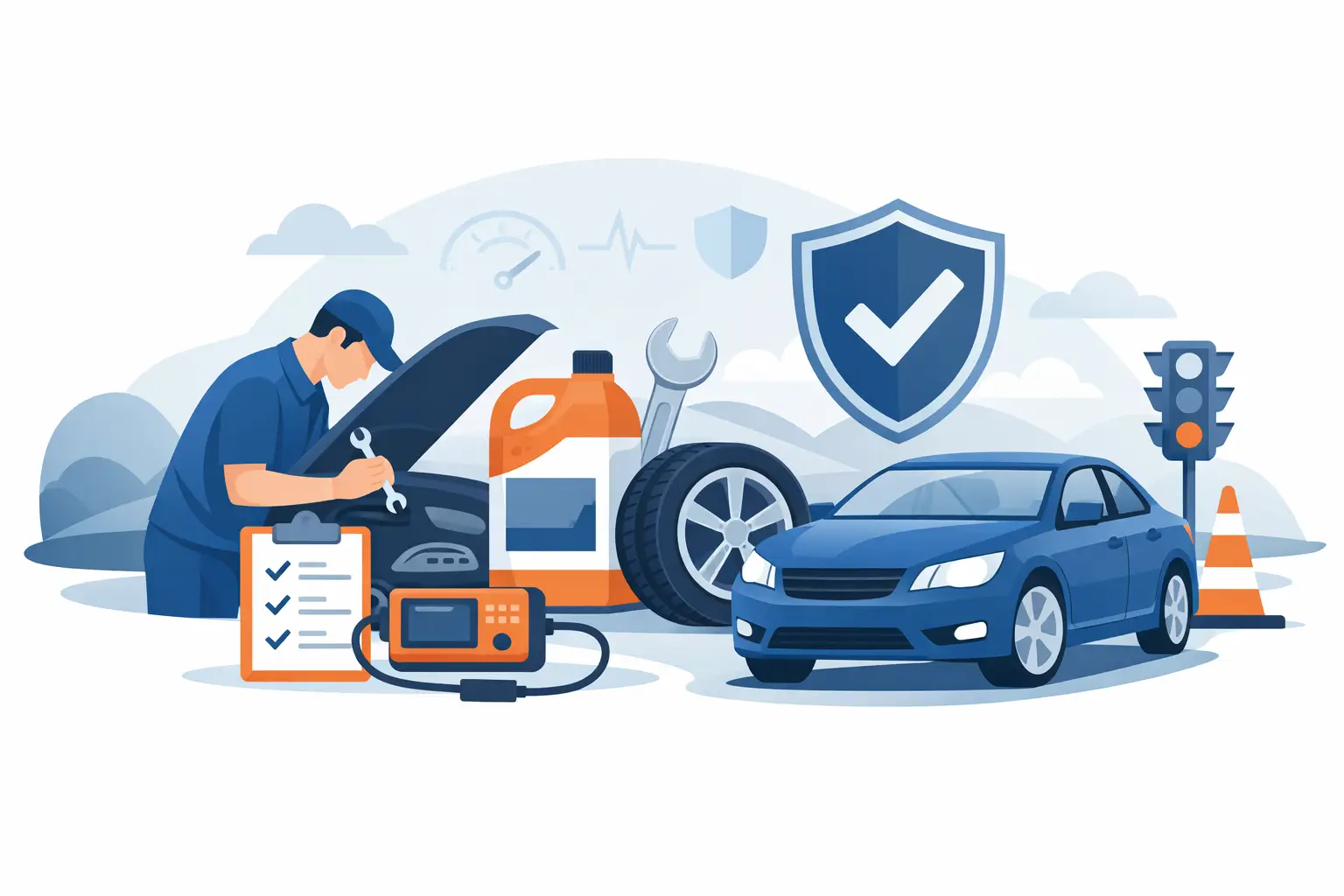
A battery that struggles on a cold morning, brakes that start to squeal on the way to work, or a warning light that appears before a family trip can quickly turn an ordinary day into a stressful one. Regular car maintenance is the practical way to prevent many of these surprises. It protects your safety, helps control repair costs, and gives you more confidence every time you get behind the wheel.
For Canadian drivers, maintenance is not just about following a schedule in the owner’s manual. Road salt, potholes, temperature swings, stop-and-go traffic, and long highway drives all place demands on a vehicle. The right service at the right time helps your car, truck, SUV, or work vehicle handle those demands without unnecessary wear.
Why Car Maintenance Is Worth the Time
Most major vehicle repairs begin as smaller problems. A worn belt, low fluid level, neglected oil change, or weak battery may not seem urgent at first. Left alone, however, these issues can lead to engine damage, a roadside breakdown, or a repair bill that is far higher than it needed to be.
Preventive service also makes driving safer. Tires with poor tread have less grip on wet roads and snow. Worn brake components can increase stopping distance. Suspension problems can affect steering and stability, especially when you need to avoid a hazard or drive over uneven pavement. Maintenance gives a qualified mechanic the chance to identify these concerns before they become a risk.
There is also a practical financial benefit. No shop can promise that a vehicle will never need repairs, particularly as it ages. But routine inspections and service usually give you more choice. You can plan a repair, compare options, and address it on your schedule instead of dealing with a breakdown when you are already late, stranded, or far from home.
The Car Maintenance Services That Matter Most
Every vehicle has its own service intervals, so the owner’s manual should remain the starting point. Your driving habits matter too. A vehicle used for short city trips, deliveries, towing, or frequent winter driving may need attention sooner than one driven lightly on open highways.
Oil and filter changes
Engine oil reduces friction, helps control heat, and carries contaminants away from moving components. Over time, oil breaks down and the filter collects debris. Delaying an oil change can contribute to premature engine wear, reduced fuel economy, and costly internal damage.
The correct interval depends on the vehicle, oil type, mileage, and driving conditions. Rather than relying only on an old rule of thumb, follow the manufacturer’s recommendation and ask your mechanic what makes sense for how you drive. Using the proper oil grade matters just as much as changing it on time.
Brake inspections and service
Brake pads, rotors, calipers, brake fluid, and lines all work together. A squeal, grinding sound, vibration through the brake pedal, pulling to one side, or a soft pedal should be checked promptly. Some brake noise can have a simple cause, but guessing is not worth the risk when stopping power is involved.
A professional inspection can determine whether you need pads only, rotors and pads, brake fluid service, or further diagnosis. The goal is not to replace parts unnecessarily. It is to explain what is worn, what can wait, and what needs attention now to keep your vehicle safe.
Tires, alignment, and suspension
Tires are the only part of your vehicle that contacts the road. Check tire pressure regularly, including the spare if your vehicle has one. Pressure changes with temperature, so this is especially useful during seasonal transitions. Uneven wear may point to an alignment issue, a suspension concern, or a tire that needs rotation.
Potholes and rough roads can affect wheel alignment and place extra strain on shocks, struts, ball joints, and other suspension parts. If your vehicle drifts, the steering wheel sits off-centre, the ride feels unusually bouncy, or you notice clunking over bumps, have it inspected. Addressing suspension wear early can improve handling and help protect your tires from wearing out too soon.
Fluids, filters, and belts
Your engine oil is only one part of the picture. Coolant helps prevent overheating and freezing, transmission fluid supports smooth operation, and windshield washer fluid is essential for visibility in slush and road spray. Brake fluid and power steering fluid, where applicable, should also be checked according to the vehicle’s service requirements.
Air filters, cabin filters, belts, and hoses deserve attention as well. A clogged cabin filter can reduce airflow and make defrosting less effective. A cracked belt or leaking hose can leave you stranded with little warning. These items are often affordable to address during a scheduled visit, which makes them a sensible part of preventive care.
Battery and charging system testing
Canadian winters are hard on batteries. A battery can appear fine during mild weather but struggle when temperatures drop. Corroded terminals, a weak battery, or a charging-system issue can all cause slow cranking or a no-start situation.
Testing is quick and can provide useful information before winter arrives. If your vehicle needs a battery, replacing it before it fails is often more convenient than arranging help in a parking lot on the coldest morning of the year.
Don’t Ignore What Your Vehicle Is Telling You
Modern vehicles are designed to alert drivers when something needs attention. A warning light is not always a sign of immediate danger, but it should never be treated as decoration on the dashboard. The check engine light can relate to anything from a loose fuel cap to an engine, emissions, or sensor issue. A flashing check engine light, oil pressure warning, overheating warning, or brake warning requires more urgent attention.
Pay attention to changes you can feel and hear, too. New vibrations, burning smells, reduced acceleration, fluid spots under the vehicle, rough shifting, or unusual exhaust noise are useful clues. Note when the problem occurs, such as only during braking, at highway speed, when turning, or after the vehicle warms up. Clear details help a mechanic diagnose the issue efficiently and avoid replacing parts based on assumptions.
A Seasonal Approach Makes Sense in Canada
Spring is a good time to inspect the effects of winter driving. Road salt can contribute to corrosion, while potholes can affect tires, wheels, alignment, and suspension. A thorough inspection after winter can catch damage before it affects safety or causes uneven tire wear.
Before summer road trips, check the cooling system, tires, brakes, wipers, and air conditioning. High temperatures place added stress on engines and batteries, particularly in heavy traffic. If you tow a trailer or carry heavy loads, ask whether your vehicle needs more frequent fluid checks or a specific maintenance schedule.
Fall is the right time to prepare for freezing temperatures. Test the battery, inspect wiper blades, top up suitable washer fluid, and confirm your heating and defrosting systems work properly. Install winter tires when conditions and local recommendations call for them, rather than waiting for the first major snowfall.
What You Can Check Between Service Visits
You do not need to be a mechanic to notice basic changes. A quick walk-around and occasional look under the hood can help you spot issues early. Make a habit of checking these items:
- Tire pressure and visible tire damage
- Headlights, brake lights, turn signals, and wipers
- Fluid leaks or unfamiliar smells
- Dashboard warning lights and changes in vehicle behaviour
These checks do not replace a professional inspection. They simply help you act sooner when something changes. If you are uncertain about what you see, it is better to ask than to wait for a small concern to become a breakdown.
Choose Clear Advice Over Guesswork
Good maintenance should come with straightforward communication. You should understand what was inspected, what work is recommended, why it matters, and what the expected cost will be before repairs begin. Some items are urgent safety concerns, while others can be monitored and planned for later. An honest mechanic will help you understand the difference.
Keeping service records is useful, especially if you plan to sell or trade in your vehicle. It also helps you and your mechanic track recurring issues, warranty-related work, and upcoming maintenance. For used-car buyers, a pre-purchase inspection can reveal maintenance needs before you commit, giving you a clearer picture of the vehicle’s condition and likely costs.
When your vehicle needs attention, do not wait for a convenient failure. A professional inspection at Niks Auto Repair can give you clear answers, fair recommendations, and dependable service so you can keep driving with confidence.