
Best Questions Before a Vehicle Inspection
Sep 24, 2026 · 6 min read
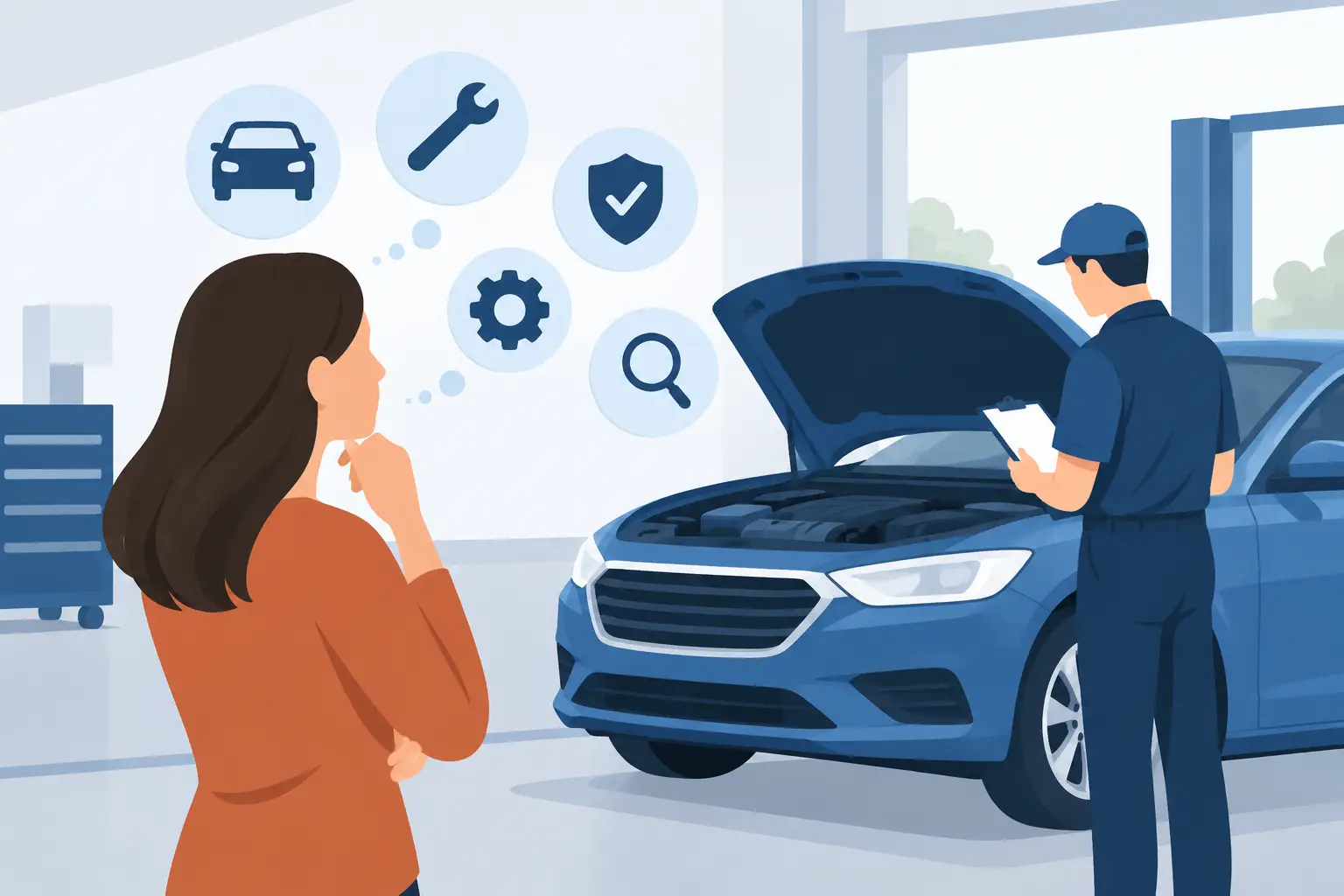
A vehicle inspection should leave you with clear answers, not a longer list of worries. Whether you are buying a used vehicle, preparing for a safety certificate, or trying to understand a warning light, the best questions before vehicle inspection help you know what the mechanic will check, what you may pay, and what needs attention now.
A professional inspection can protect your budget and your safety, but only when its purpose is clear from the start. A quick visual check is not the same as a pre-purchase inspection, and neither is necessarily the same as a provincial safety standards inspection. Asking a few direct questions helps ensure you are booking the right service for your vehicle and situation.
Start by Explaining Why You Need the Inspection
The first question is not always for the mechanic. It is for yourself: what decision do you need to make after the inspection? Are you deciding whether to buy a used car? Are you concerned about brake noise, steering vibration, or a check-engine light? Do you need documentation for a sale, registration, or insurance requirement?
Tell the shop the reason when you book. A mechanic can then focus the inspection properly instead of treating every appointment as a general checkover. For example, a buyer needs a thorough assessment of condition, likely upcoming repairs, collision evidence, and scan-tool findings. A driver preparing for a safety inspection needs to know whether the vehicle meets the applicable requirements, which can vary by province and situation.
Ask: “What type of inspection is right for my purpose?” That single question can prevent an expensive misunderstanding later.
Best Questions Before a Vehicle Inspection Appointment
What does the inspection include?
Ask for a plain-language explanation of the scope. A quality inspection may include brakes, tires, suspension, steering, lights, fluid condition, exhaust, battery, belts, hoses, underbody condition, and a road test where appropriate. For a used vehicle, you may also want diagnostic trouble-code scanning and a careful check for signs of previous collision damage or corrosion.
Not every inspection includes every item. Some shops offer a basic visual assessment, while others provide a comprehensive pre-purchase report. Neither option is automatically better. It depends on the vehicle’s age, price, mileage, and how much risk you are prepared to accept. The key is knowing what you are paying for before work begins.
Will you check for rust, leaks, and accident damage?
Canadian roads are tough on vehicles. Winter salt, moisture, potholes, and long commutes can lead to corrosion beneath a vehicle long before the body panels look serious. Ask whether the technician will inspect the frame or unibody, brake lines, suspension mounting points, rocker panels, exhaust system, and fuel lines for corrosion.
Also ask how the shop identifies fluid leaks and prior repairs. A fresh undercoating, clean engine bay, or recently washed underside can make a vehicle look better temporarily. An experienced mechanic knows where to look for seepage, mismatched paint, uneven panel gaps, fresh welds, and other signs that deserve a closer look.
Can you scan the vehicle for warning codes?
A dashboard with no warning lights is reassuring, but it is not a complete answer. Some issues may be stored as pending or historical trouble codes. In some cases, a seller may clear codes shortly before showing a vehicle, and the warning light may not return until the car has been driven enough kilometres.
Ask whether diagnostic scanning is included and whether the technician will explain any codes found. A code does not always mean a major repair is required, but it provides useful evidence. The mechanic should be able to tell you whether it points to an active fault, an intermittent concern, or a condition that needs further testing.
Will the vehicle be road-tested?
Many problems only appear when the vehicle is moving. A road test can reveal brake pulsation, wheel-bearing noise, transmission hesitation, engine misfires under load, steering pull, vibration, and suspension clunks that are difficult to confirm in a parking stall.
Road tests are not always possible. Insurance status, severe mechanical problems, weather, or the seller’s restrictions can limit them. If a road test cannot be done, ask what that means for the inspection and whether there are risks that cannot be fully assessed without driving the vehicle.
Will I receive a written report with priorities?
A useful inspection report does more than say “repairs recommended.” Ask whether you will receive written findings, photos where helpful, and a clear priority level for each concern. You should be able to separate immediate safety issues from repairs that can be planned for later.
The most helpful reports usually divide recommendations into three practical categories: repairs needed now, maintenance due soon, and items to monitor. This gives you a fair picture of the vehicle without making every worn component sound like an emergency.
Questions About Cost and Repairs
What is the inspection price, and what is not included?
Ask for the inspection fee before booking, then ask whether diagnostic testing, a road test, report preparation, or additional testing are extra. Honest pricing starts with clarity. A shop should be comfortable explaining the service, the estimated time involved, and any charges that could arise if a deeper problem is found.
If you are buying a used vehicle, a thorough inspection is usually a small cost compared with unexpected engine, transmission, suspension, or brake repairs after purchase. Still, a lower-priced inspection may have a narrower scope, so compare what is included rather than comparing the fee alone.
Will you contact me before performing repairs?
An inspection and a repair are not the same authorization. Ask the shop to contact you before completing any work beyond the agreed inspection. You should receive an explanation of the problem, recommended repair, parts options if applicable, and estimated cost before approving it.
This is especially important when a seller has brought the vehicle in. You want the findings explained to you directly, without pressure to make a decision on the spot.
Which repairs are urgent, and which can wait?
This may be the most valuable question you ask. Vehicles often need more than one item over time, particularly once they have higher mileage. That does not mean every issue requires immediate repair.
Ask the mechanic what could affect safe operation, lead to a breakdown, cause further damage, or prevent the vehicle from meeting safety requirements. Then ask what can reasonably be scheduled later. A dependable shop will be honest about urgency while still explaining the consequences of waiting.
Questions to Ask When Buying a Used Vehicle
A pre-purchase inspection should help you negotiate from facts, not assumptions. Ask the technician: “Would you buy this vehicle at the asking price, knowing what you found?” The answer is not a guarantee, but it can be a useful professional perspective.
Also ask what repairs are likely in the next six to 12 months. Tires, brakes, batteries, suspension components, and fluid services can add up quickly. If the vehicle needs several of these items soon, use that information to negotiate a lower price or decide that another vehicle is the better choice.
Ask if the vehicle’s condition matches its mileage and age. A 10-year-old vehicle with normal wear may still be a sensible purchase if it has been maintained and priced fairly. A newer vehicle with severe corrosion, repeated warning codes, or signs of poor repairs deserves more caution, even if the odometer reading looks attractive.
Finally, ask what an inspection cannot confirm. No mechanic can predict every future failure or see inside every component without disassembly. Honest advice includes both the concerns found and the limits of the inspection.
Bring the Right Information to the Shop
If you have maintenance records, previous inspection reports, photos of warning lights, or a list of symptoms, bring them along. Details such as when a noise occurs, whether it happens while turning or braking, and how long a warning light has been on can save diagnostic time.
For a used vehicle, request the VIN in advance and confirm that the seller will allow enough time for a proper inspection. A seller who refuses a reasonable independent inspection is giving you information of a different kind.
At Niks Auto Repair, the goal is simple: explain what the vehicle needs clearly, provide honest recommendations, and help you make a confident decision. The right inspection does not promise a perfect vehicle. It gives you a practical, professional picture of what you are buying or driving, so your next step is based on facts rather than guesswork.