
12 Best Car Safety Accessories for Canadian Drivers
Sep 30, 2026 · 7 min read
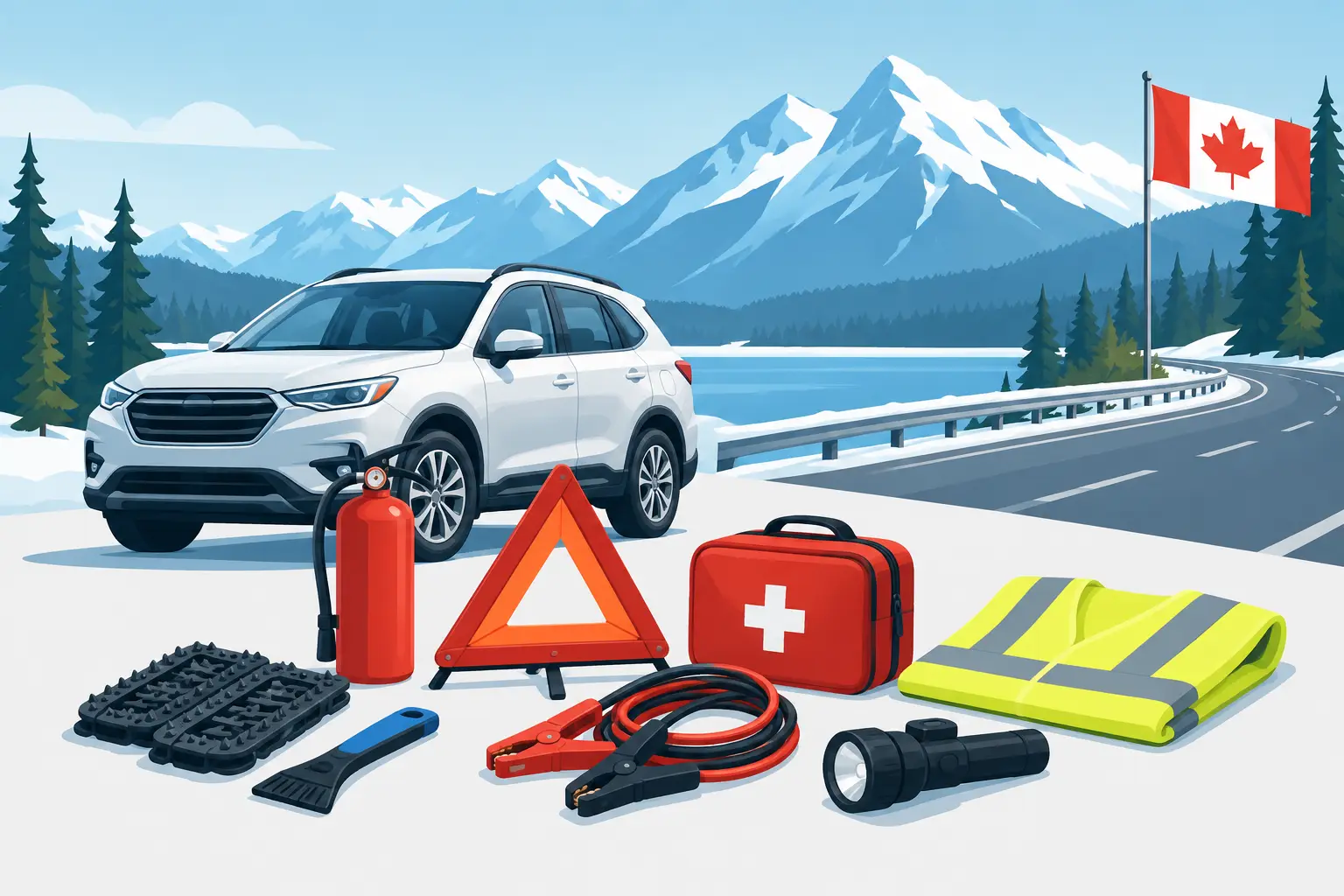
A dead battery in a grocery-store parking lot, a flat tire on a dark highway, or whiteout conditions on a winter commute can turn an ordinary drive into a stressful situation quickly. The best car safety accessories help Canadian drivers handle those moments with more confidence, but the right choices depend on your vehicle, your daily route, and the season.
Safety accessories are not a substitute for good tires, working brakes, regular maintenance, or careful driving. They are practical backup tools that can make you more visible, help you get moving again, or keep you safe while waiting for assistance. Start with the essentials, then build a kit that fits the way you actually drive.
Best Car Safety Accessories for Everyday Driving
1. A quality roadside emergency kit
A basic emergency kit is one of the most useful purchases for any vehicle. Look for one with reflective warning triangles or road flares, a high-visibility vest, work gloves, a flashlight, basic first-aid supplies, and a rain poncho or emergency blanket.
Cheap kits can be tempting, but check what is inside before relying on one. A small flashlight with weak batteries and a few adhesive bandages will not do much during a winter breakdown. Choose a kit with practical, durable items and replace expired supplies as needed.
2. Booster cables or a portable jump starter
Cold Canadian weather is hard on batteries. Proper booster cables are useful if another vehicle is available, but a portable jump starter gives you more independence when no one is nearby.
Choose heavy-duty booster cables that are long enough to reach between vehicles safely. For a portable jump starter, confirm that its power rating suits your engine size and learn the connection procedure before an emergency happens. Keep the unit charged, especially before winter road trips. If a battery repeatedly needs a boost, the issue may be the battery, alternator, terminals, or an electrical draw that should be diagnosed professionally.
3. A tire-pressure gauge and portable inflator
Underinflated tires affect braking, handling, fuel use, and tire wear. A reliable tire-pressure gauge makes it easy to check pressures when tires are cold, while a compact 12-volt or rechargeable inflator can help you correct a slow leak long enough to reach a repair shop.
An inflator will not repair a damaged tire. If the tire has a sidewall cut, a large puncture, a visible bulge, or will not hold air, do not continue driving on it. Pull over safely and arrange assistance. It is also wise to check whether your vehicle has a spare tire, a temporary spare, or only a tire repair kit before you need it.
4. A properly equipped spare-tire kit
Many newer vehicles no longer include a full spare tire. That saves space and weight, but it can leave drivers unprepared for a puncture that cannot be repaired with sealant. Check your owner's manual and inspect what came with your vehicle.
If you have a spare, make sure it is inflated and that the jack, wheel wrench, and locking-wheel-nut key are present. A compact kneeling pad and a pair of gloves make a roadside tire change less difficult. Not everyone is comfortable changing a tire beside traffic, and that is reasonable. The value of the kit is having options while you arrange help.
5. A high-visibility vest and reflective warning devices
Visibility matters when you are stopped on the shoulder, especially at night, in rain, or during snow. A high-visibility vest should be within reach of the driver's seat, not buried under luggage in the trunk. Put it on before leaving the vehicle if conditions allow.
Reflective warning triangles can alert approaching drivers to your position. Place them only when it is safe to do so and follow the product instructions. On a busy highway or in poor visibility, staying well away from traffic is more important than setting up equipment.
6. A dependable flashlight or headlamp
Your phone flashlight is useful, but it drains the battery and ties up one hand. A dedicated LED flashlight or headlamp makes it easier to inspect a tire, connect booster cables, find supplies, or signal for attention.
A headlamp is particularly practical because it leaves both hands free. Keep spare batteries in a sealed bag, or choose a rechargeable model and add it to your regular charging routine. Store it somewhere you can reach without unpacking the whole vehicle.
7. A first-aid kit suited to the vehicle
A vehicle first-aid kit should cover minor injuries and help you manage a situation until proper care is available. Include adhesive bandages, gauze, antiseptic wipes, medical tape, gloves, and a thermal blanket. Families may also want personal medications, but check them regularly for expiry dates and store them safely.
The goal is not to turn your car into a medical clinic. It is to have basic supplies available after a small cut, fall, or unexpected delay. If someone is seriously injured or in danger, call emergency services rather than trying to manage the situation alone.
8. A winter traction and recovery kit
Drivers who face snow, slush, rural roads, or unplowed parking areas should carry winter-specific equipment. A compact snow shovel, ice scraper and brush, traction mats or sand, and warm gloves can make a major difference when a vehicle is stuck.
For longer winter trips, add a blanket, extra hat, non-perishable snacks, and water. Keep the fuel level from getting too low when severe weather is expected. If your vehicle is trapped in deep snow or exhaust is blocked, do not run the engine until the tailpipe area is clear. Exhaust fumes can enter the cabin and create a serious hazard.
9. A phone mount and vehicle charger
A secure phone mount helps drivers use navigation without holding a device or looking down repeatedly. Place it where it does not block the windshield, mirrors, airbags, or essential controls. Set your route, playlist, or hands-free call before moving.
A quality vehicle charger and charging cable are equally valuable. During a roadside problem, your phone is your connection to family, roadside assistance, and emergency services. Keep a backup cable in the car, particularly if more than one person drives it.
10. A compact fire extinguisher
A vehicle-rated fire extinguisher can be useful for a small, contained fire, but only if it is accessible and you know how to use it. Mount it securely so it cannot become a projectile in a collision. Check its inspection date and pressure indicator regularly.
There is an important trade-off here: no extinguisher is worth approaching a fire that is spreading, producing heavy smoke, or located near the fuel system. Move everyone away from the vehicle, call emergency services, and keep a safe distance.
11. A seat-belt cutter and window breaker
This compact tool is designed for a rare but serious emergency where doors cannot be opened after a collision. Choose a model made for automotive use and store it within reach of the driver, not in the glove box or trunk.
It should be considered a last-resort tool, not an everyday accessory. Read the instructions and remember that laminated windshields are generally not designed to break the same way as side windows. The tool is most useful when drivers understand its limits before an emergency.
12. A dash camera for incident documentation
A dash camera cannot prevent a collision, but it can provide a clear record if an incident occurs. That can be helpful after a crash, a hit-and-run, or a disputed event in a parking lot. Choose a camera that records clearly in low light and does not obstruct your view.
Use it responsibly. Check local privacy expectations, avoid filming people unnecessarily, and make sure installation does not interfere with airbags, wiring, or visibility. A professional installation is worth considering if the camera will be hardwired into the vehicle.
Choose Accessories That Match Your Vehicle and Route
The best safety setup is not the biggest collection of gadgets. A commuter in downtown Toronto may prioritize a jump starter, tire inflator, phone charger, and warning devices. A family travelling between cities in winter may need the same essentials plus a more complete winter kit. A work truck or fleet vehicle may benefit from additional reflective gear, a more substantial first-aid kit, and regular inspections of emergency equipment.
Before buying accessories, check your vehicle's existing equipment and storage space. Heavy items should be secured low in the vehicle, not loose on a rear seat. Rechargeable accessories need a maintenance routine, while first-aid and emergency supplies need periodic replacement. An accessory that is dead, expired, or inaccessible is not much help when you need it.
Safety Starts With the Vehicle Itself
Accessories support a safer drive, but mechanical condition comes first. Worn brakes, weak batteries, damaged tires, poor wipers, and warning lights need attention before they become roadside emergencies. Seasonal inspections are especially worthwhile before winter, before a long road trip, or when buying a used vehicle.
At Niks Auto Repair, our experienced mechanics can help identify the issues that accessories cannot solve, with clear explanations and dependable service. Keep your emergency gear ready, maintain your vehicle properly, and give yourself a little more margin for the unexpected mile ahead.