
12 Best Car Accessories for Winter Driving
Sep 20, 2026 · 7 min read
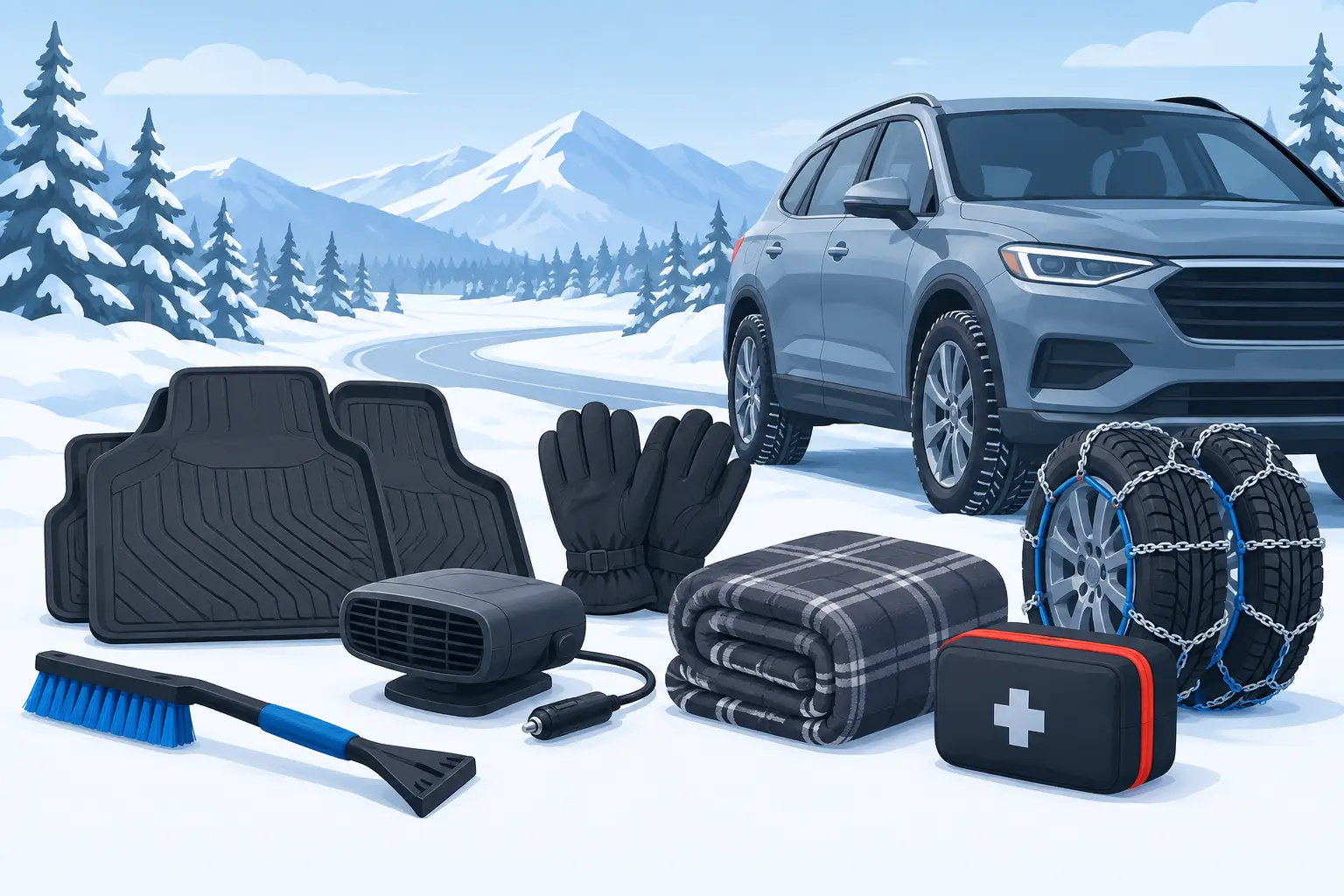
A frozen door seal at 7 a.m., a windshield covered in wet snow, or a battery that will not turn over can turn an ordinary Canadian commute into a stressful delay. The best car accessories for winter are not about adding clutter to your vehicle. They are practical items that improve visibility, traction, comfort, and your ability to deal with a problem safely before it becomes a breakdown.
The right choices depend on where and how you drive. A downtown commuter may prioritize visibility and battery support, while a family travelling rural highways needs stronger emergency supplies. Start with the accessories that solve the risks you are most likely to face, and make sure you know how to use them before the weather turns.
Best Car Accessories for Winter: Start With Safety
1. A durable snow brush and ice scraper
This is the winter essential that earns its place every single day. Choose a brush with a long, sturdy handle and soft bristles that can clear snow from the roof, hood, headlights, and windows without damaging the finish. A solid ice scraper with a comfortable grip makes a major difference when freezing rain leaves a hard layer on the glass.
Do not drive with only a small viewing area cleared on the windshield. Snow left on the roof can slide forward when you brake, and obscured lights make it harder for other drivers to see you. Keep the brush inside the vehicle when possible so it is not frozen into the trunk or buried under snow.
2. Winter windshield washer fluid
Summer washer fluid can freeze in the reservoir and leave you without a clear windshield when road spray is at its worst. Use winter-rated fluid designed for Canadian temperatures, and keep an extra container in the garage or cargo area.
Slush, salt, and spray from larger vehicles can cover a windshield quickly. Good washer fluid is inexpensive, but it supports one of the most important winter safety systems in your vehicle: clear vision. If your washer jets are weak, blocked, or not working, have them checked rather than waiting for the first storm.
3. Quality winter wiper blades
Old wipers streak, chatter, and leave blind spots, especially when the windshield is coated in salt film. Winter blades are built to resist snow and ice buildup around the frame, helping them maintain contact with the glass.
They are not a replacement for clearing heavy snow and ice by hand. Running wipers over a frozen windshield can damage the rubber edge and strain the wiper motor. Replace worn blades before winter, and lift them gently away from the glass during freezing rain if your vehicle and parking situation allow it.
4. Heavy-duty floor mats
Rubber or deep-channel floor mats protect the carpet from salt, water, mud, and melted snow. This may sound like a cosmetic upgrade, but wet carpeting can create odours, fogged windows, and corrosion concerns over time.
Look for mats that fit securely and do not interfere with the brake or accelerator pedal. Universal mats can be a budget-friendly option, but vehicle-specific mats generally offer better coverage around the edges. Empty collected water regularly so it does not spill back onto the carpet.
Equipment That Helps When Conditions Change
5. A portable battery booster pack
Cold temperatures reduce battery performance, and an older battery may fail with little warning. A charged portable booster pack can help you restart your vehicle without relying on another driver to provide a boost.
Buy a unit rated for your engine size and keep its charge topped up according to the manufacturer instructions. Many models also include a flashlight and USB charging ports, which can be useful during an unexpected stop. If your vehicle repeatedly needs a boost, however, the booster is only a temporary solution. A battery, charging system, or electrical diagnostic is the honest next step.
6. A compact tire inflator and pressure gauge
Tire pressure drops as temperatures fall. Even a small decrease can affect handling, fuel use, and tire wear. A reliable pressure gauge and compact inflator let you check and correct pressure at home or on the road.
Use the pressure listed on the driver-side door placard, not the maximum pressure printed on the tire sidewall. Check tires when they are cold, ideally at least once a month and before a longer winter drive. If one tire keeps losing air, do not keep topping it up without inspection. It may have a puncture, damaged valve, or wheel sealing issue.
7. Traction aids for snow and ice
A bag of sand, traction mats, or purpose-made traction boards can help if your drive wheels are stuck on packed snow or ice. These items are particularly useful for drivers who park outdoors, travel cottage roads, or deal with unplowed lots.
Use traction aids carefully and keep people clear of the wheels. Spinning tires aggressively can dig the vehicle in deeper, damage components, or throw debris. For many Canadian drivers, proper winter tires remain the most valuable investment for traction. Accessories can help you get moving when stuck, but they cannot make worn all-season tires perform like winter tires on ice.
8. A folding shovel
A compact shovel is easy to overlook until snow packs around the tires, under the bumper, or behind the exhaust outlet. A lightweight folding model fits in most trunks and gives you a way to clear enough space to regain traction.
Choose a shovel strong enough for packed snow rather than a thin camping tool that bends immediately. If the vehicle is deeply buried or stuck in a dangerous location, call for assistance instead of putting yourself at risk in traffic or severe cold.
The Winter Emergency Kit Worth Keeping
9. Warm blankets, gloves, and extra layers
If your vehicle is delayed or stranded, warmth matters more than convenience. Keep a warm blanket, insulated gloves, a toque, and an extra layer that fits every regular passenger in the vehicle. Families should also consider spare socks and simple hand warmers.
Avoid relying on the engine to keep you warm for a long period, especially if snow could block the exhaust area. Clear snow away from the tailpipe, crack a window slightly if the engine must run, and use the vehicle only as safely as conditions permit.
10. A flashlight, reflective vest, and warning triangles
Winter daylight disappears early, and roadside visibility can be poor in blowing snow. A dependable flashlight helps with tire checks, finding items in the vehicle, or signalling for help. A reflective vest and warning triangles make you easier to see if you must step outside.
Keep the flashlight where you can reach it from the driver seat and check its batteries. A rechargeable model is useful, but a battery-powered backup can be more reliable if charging is forgotten.
11. Non-perishable snacks and water
A few energy bars, crackers, and water can make an unexpected delay much more manageable. Select food that tolerates cold temperatures and replace it before it expires. For water, use containers that can handle freezing without splitting.
This is especially sensible for drivers travelling between communities, working late shifts, or carrying children. It is not about planning for the worst every day. It is about avoiding a small inconvenience becoming a difficult situation when help is still on the way.
12. A phone charger and secure phone mount
Your phone is your connection to navigation, weather updates, family, roadside assistance, and emergency services. A quality 12-volt charger, charging cable, and secure mount are simple accessories with real value in winter.
Set up directions and hands-free controls before moving. Do not handle a phone while driving through snow, traffic, or changing road conditions. A mount should hold the phone firmly without blocking your view of the road or essential controls.
What Not to Buy Before the Basics Are Covered
There is no shortage of winter gadgets, but some purchases add little value if core maintenance is being ignored. Decorative covers, low-quality heated accessories, and cheap emergency kits can look useful while failing when needed. Focus first on tires, brakes, battery condition, wipers, lights, fluids, and a well-stocked emergency kit.
A tow strap is another item that deserves caution. Recovery can be dangerous when the attachment points, strap rating, vehicle weight, or pulling angle are wrong. Unless you understand safe vehicle recovery, it is usually better to carry the essentials, avoid getting further stuck, and arrange professional assistance.
Before the first major snowfall, take ten minutes to open your trunk and check what is actually there. Replace expired supplies, test the flashlight, confirm the booster pack is charged, and make room for a shovel and snow brush. If you are unsure whether your battery, tires, brakes, or heating system is ready for winter, Niks Auto Repair can provide clear, professional advice and dependable service before a small concern leaves you stranded in the cold.
A prepared vehicle does not guarantee an easy winter drive, but it gives you more control when weather changes quickly. Pack the items you will genuinely use, keep up with basic maintenance, and give yourself extra time whenever snow or ice is in the forecast.